
Equipment
Ok, to an extent the choice of equipment is a very personal and often contentious subject.
Some photographers regard their choice of equipment with an almost religious fervour. Their chosen brand is the best and anything else is inferior…
Well that is often not true anymore, the vast majority of equipment out there is ‘up to the job’ and will get you good results, so long as you know how to use it, use it appropriately and understand it’s limitations – more about this below.
I, like many photographers started off with a particular brand of camera, in my case Nikon SLR’s because a friend had the same brand and it allowed us to swap equipment, and I have stuck with that brand because I have invested a lot of money in lenses over the years and it would cost me significant amounts of money to swap to another brand. Plus years of ‘muscle memory’ and familiarity of controls, camera menus and methodologies would take some relearning, especially as you get older and things are a bit more ingrained 🙁
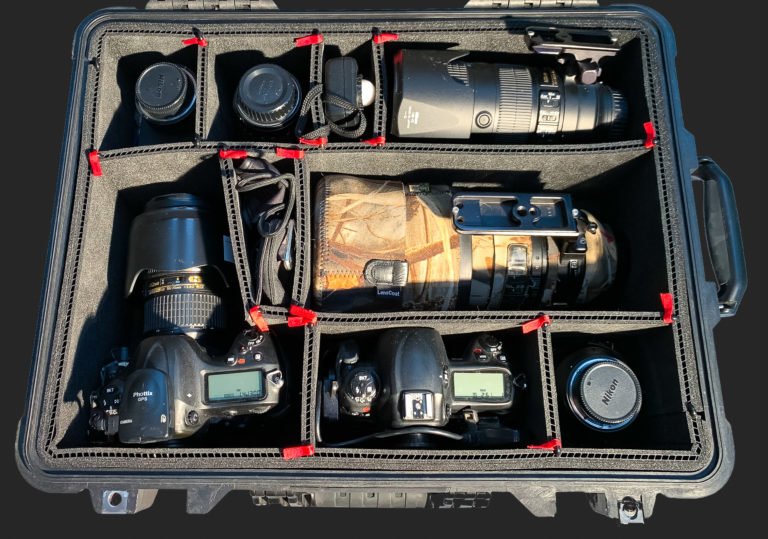
Your style, the subjects you like to photograph, the locations you go to (and the likely weather you’ll experience), your budget, all influence your choice of equipment. What is right for you is RIGHT… Don’t let anyone tell you any different. The vitriol poured out on forums and in comment sections on websites is toxic, stay away from it if you can. That’s not to say there isn’t valuable information there, just that everyone has an agenda and it is most likely different from yours, learn to dismiss information that is irrelevant and biased.
One of my pet annoyances is when someone says, “That is a great photograph, you must have a good camera” or “If I had equipment like yours I could take great photographs too”… Well maybe you could, but the point these comments make light of is the hundreds or thousands of hours taken to hone your skills, to know what settings to use, what equipment to use and to have the experience to be in the right place at the right time. A great comparative comment I heard once was if I bought a quill from the same shop that Shakespeare bought his from, would I expect to be able to write works like his, well of course not!
Below I’m going to detail some of the equipment I use, why I use it, and the advantages and disadvantages of the equipment. If you have similar requirements you may find some of this useful, or just interesting and informative.
There is no denying that some of the more specialised photography equipment is expensive to buy. Although it can be rented, and this sometimes works well if you get a weekend deal or a long bank holiday deal that some of the rental places offer, but you don’t get the familiarity of owning a piece of equipment and using it often if you only rent it once or twice a year.
I group the equipment I’m going to discuss below into logical physical groups.
Camera Bodies
The camera body to most people is the epitome of photography, but it is only one link in the chain and although it plays a huge part and is the sole component in processing and storing your image, it is only a link in the chain! It is the pice of equipment that advances the most technologically in a given period and although it may introduce many new technologies to help you create an image, many images are taken on camera bodies that are decades old and still produce wonderful images.
Nikon D4s
This DSLR camera body is my main body used today. Although superseded by the Nikon D5 and laterly the Nikon D6 it excels in low light conditions which often prevail in the UK, even in the summer months!
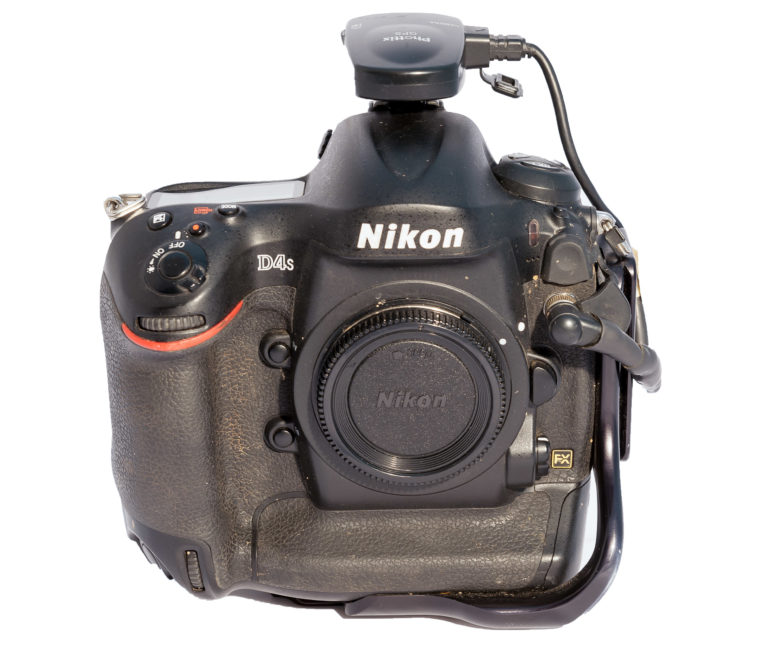
Pros – great build quality, very sturdy and weatherproofed, reliable and versitile
Cons – expensive, heavy, not subtle, technology a little dates in some areas now, but still works very well!
Nikon D3
This DSLR is my backup or secondary body. When it was introduced the Nikon D3 was groundbreaking in its low light ability. Still a great camera today and can be purchased very cheaply on ebay or similar sites.
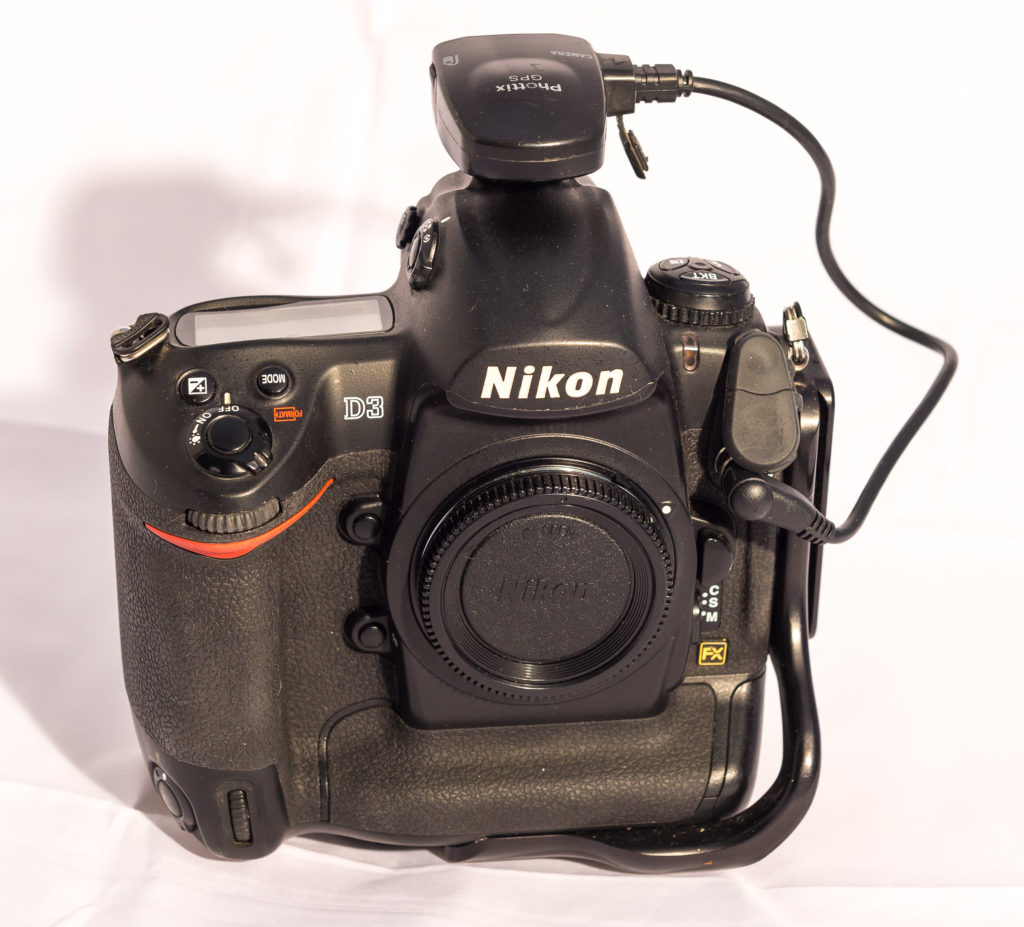
Pros – very cheap to buy now and still a great camera, very robust and weather proofed
Cons – Batteries may need replacing to get good performance, heavy, only 12MP (MegaPixels) if that bothers you (it shouldn’t as the benefits of this sensor outweigh the relatively low MP count)
Camera Lenses
Lenses are arguably the single most important piece of equipment in your arsenal that enables you to get THE shot that you envisage. They also have the biggest influence on the ‘quality’ of your final image. The naming convention of the lenses can be a little confusing at first but I’ve added a glossary of the terms commonly used below:
- AF – stands for Auto Focus. This practically means that the lens can automatically focus through the camera.
- AF-D – Auto Focus with Distance information. Same as AF, except the lens can determine the distance between the subject and the lens and then pass that information to the camera. The distance information can be useful for exposure metering. No longer used on modern lenses, see the “D” acronym below.
- AF-I – Auto Focus with an integrated focus motor. No longer used on modern lenses.
- AI-P – Manual focus lenses with a built-in CPU that transfer data to camera for exposure metering. No longer used on modern lenses.
- AF-S – Auto Focus with Silent Wave Motor. The AF-S lenses have built-in motors inside the lens, which work on all cameras without built-in motor, typically the cheaper entry level cameras.
- AF-P – Auto Focus with Stepping Motor. These are the newest generation built-in motors that are fast and ultra-quiet, making them ideal for both photography and videography. AF-P motors require the latest generation Nikon DSLRs and they won’t work with older DSLRs like the Nikon D800.
- AI – Indicates “Automatic Indexing”. This abbreviation was used on very old manual focus lenses, so it is no longer used on modern lenses.
- AI-P – Manual focus AI lenses with a chip to send data to the camera. No longer used on modern lenses.
- AI-S – Manual focus lenses that could be used with cameras that had Program and Shutter Priority camera modes. On AI-S lenses, aperture can be changed directly from the camera. No longer used on modern lenses.
- ASP – Lens contains at least one aspherical lens element, which is used for correcting lens aberrations. Sometimes also know as “AS”.
- CRC – Close Range Correction lenses that are optimized for close focusing distances.
- D – D-type lenses send camera to subject distance information to the camera.
- DC – Defocus Control lenses allow controlling the bokeh (out of focus appearance), which is good for portraits.
- ED – Extra-low Dispersion glass elements within the lens do not disperse the light as it enters the lens. Most modern top of the line Nikon lenses contain some ED glass, which also delivers increased sharpness and reduces chromatic aberration or color fringing in images.
- FL – Newly introduced in 2013. Indicates that the lens has Fluorite Lens elements, which are optically superior and significantly lighter glass elements.
- G – If you see a letter “G” after aperture in the lens, for example “Nikon 50mm AF-S f/1.4G”, it means that the lens does not have an aperture ring like the old lenses. All modern Nikon lenses are “G”, because the aperture ring is only needed for old manual focus camera bodies.
- E – The new “E” type lenses feature electronic diaphragm control. These lenses do not have the aperture lever on the back of the lens and are fully electronic, so there is no way to manually adjust the aperture anymore. “E” type lenses are more accurate than “G” type lenses, especially for shooting at high frame rates, because the lens can stop down to a desired aperture without the need to be engaged from the camera motor.
- IF – Internal Focusing allows the lens to quickly focus by moving some of the elements inside the lens barrel, without moving the front barrel or extending in size. Typically lenses with IF acquire focus faster than lenses without IF.
- Micro – Same thing as Macro, which is designated for macro lenses for close-up work.
- N – The letter “N” stands for Nano Crystal Coat and it is always displayed in a golden sticker on all top of the line Nikon lenses. It is a special type of glass coating that reduces flare and ghosting on the image.
- PC-E – Perspective Control with electronic diaphragm. Allows lenses to tilt and shift to create special effects.
- RF – Rear Focusing. The focusing is done by moving the rear element inside of the lens, which means the rear element moves while focusing.
- SWM – Silent Wave Motor allows quiet autofocus with a quick switching between autofocus and manual operation. Overriding autofocus is very simple – you just turn the focus ring, instead of switching to manual mode first like you have to on AF-D lenses.
- VR – Vibration Reduction allows using lenses hand-held without the need for a tripod in low-light situations. Special motion sensors inside the lens detect hand motion and compensate for the motion by stabilizing the lens in the opposite direction.
- FX – this abbreviation indicates “full-frame”, as in 35mm film equivalent. Abbreviations like FX, DX and CX indicate format size (size of the digital sensor).
- DX – If a lens says “DX”, it means that it is specifically designed for APS-C DX camera bodies. DX lenses do work on FX bodies (they will physically mount), but will operate at only half the resolution.
Nikon 14-24mm AF-S F2.8 Lens
A great wide angle zoom lens, great for close up and wide landscape shots or room interior shots (even in an aircraft!).
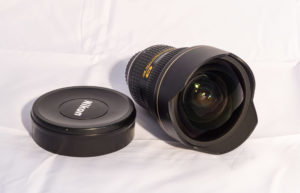
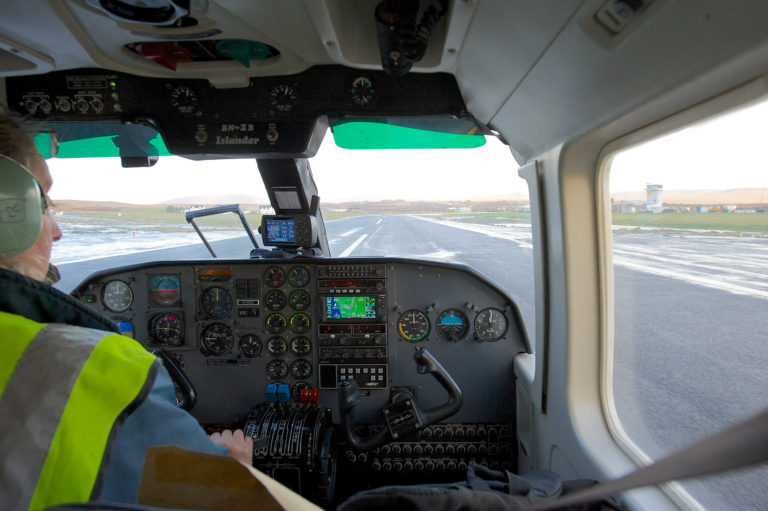
Pros – Great versatility, little distortion even at full range
Cons – Expensive, very large front element difficult to keep clean in rain and spray, difficult to mount filters on (although not impossible).
Nikon 24-70mm AF-S F2.8 Lens
My ‘go to’ lens for walkabout or travel photography, very versatile and not too bulky, ideal for single lens use.
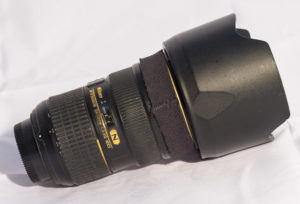
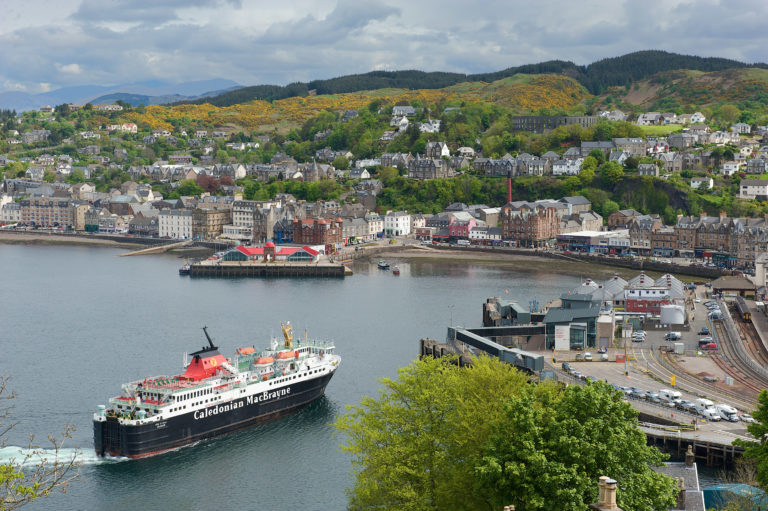
Pros – Great travel and walkabout lens if you can only take one lens this is the one, very sharp
Cons – Expensive, relatively heavy
Nikon 70-200mm f2.8 AFS FL ED VR Lens
A great lens for close up sports and action photography, this latest version is very sharp, this is the third generation of this lens I’ve used and the best in terms of lens optics, it’s relatively light and handles well.

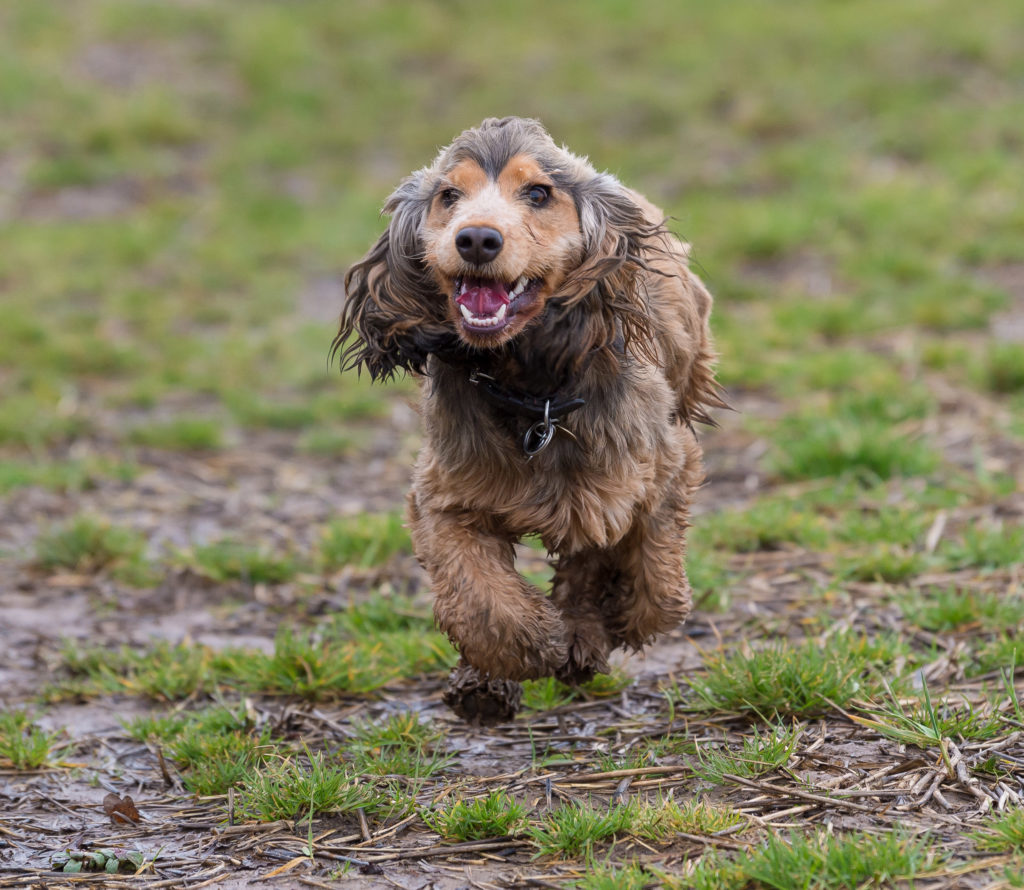
Pros – Very sharp lens, my go to lens for dogs and close up action
Cons – Expensive
Nikon 50mm AF-S f1.4G Nikkor Lens
A very compact and bright lens, great for night photography.
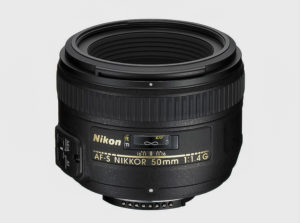
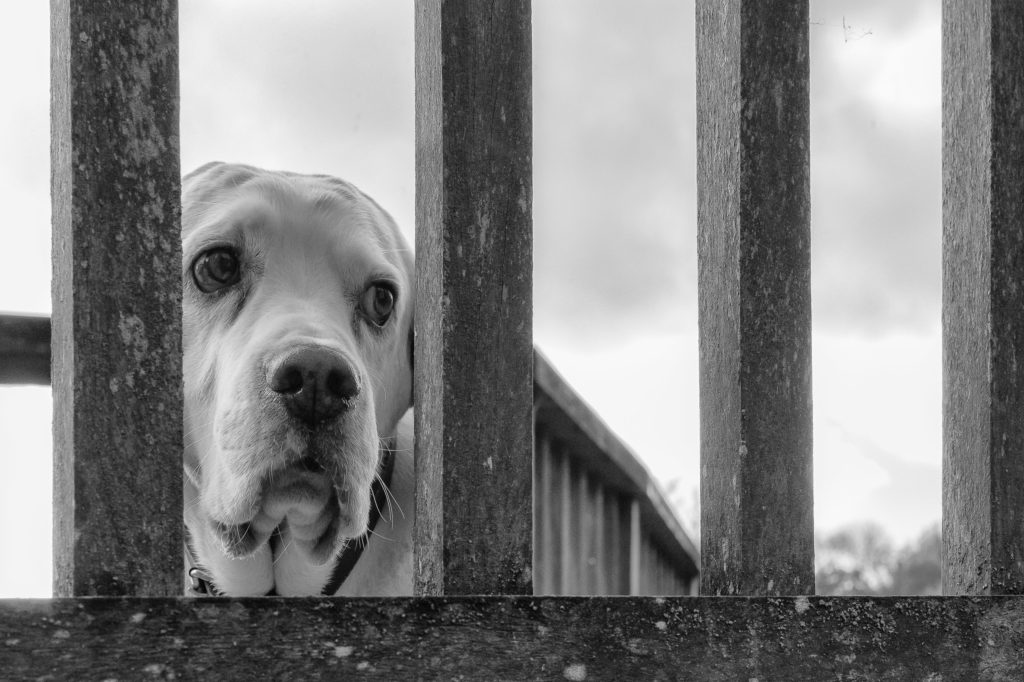
Pros – relatively cheap, fast aperture makes it idea for low light or night photography, but gives very narrow depth of field
Cons – fixed focal length means not as versatile as a zoom
Nikon 105mm F2.8 VR Micro Lens
My favorite lens in terms of £ value for enjoyment. A great macro lens that you can use inside when its raining to take close ups on your desk of plants or objects.
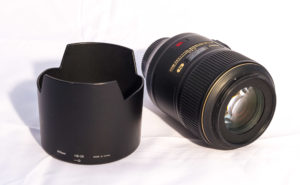

Pros – cheap, compact, great value for money, versatile Macro lens, You don’t need the VR version and can find them very cheaply on ebay
Cons – although some people say it makes a good portrait lens too I’ve not been too impressed with that use
Nikon 300mm VRII AF-S F2.8 Lens
A fantastically sharp and useful lens for relatively close up wildlife photography, not too heavy and can be hand held (for a while at least!), supplied with a very study lens shade, vital for maintaining colour saturation of your images and protecting the front element.
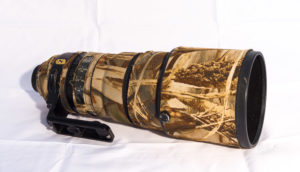

Pros – very sharp, great to hold, takes an teleconverter well
Cons – expensive, although can be picked up secondhand reasonably cheaply
Nikon 500mm AF-S F4 Lens
Great lens for wildlife or sports at a distance, as with all long lenses it does require good technique to get good results. Usually combined with a tripod, monopod or beanbag or possibly lots of Gym work to hand hold for any length of time!
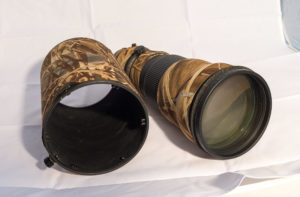

Pros – very sharp, good reach for distant subjects, can be used with teleconverters, lovely Bokeh, robust construction
Cons – expensive, very heavy and bulky, really need a support system for extended use, difficult to transport
Nikon TC-14EII
A 1.4 x teleconverter contains additional lens elements and is added between your lens and camera body to multiply its focal length.


Pros – gives you extra versatility with minimal loss of quality
Cons – loses a stop and a little quality (depending on the lens you pair it with). it reduces the aperture of your lens by 1 stop, so a 500mm f4 lens becomes a 700mm f5.6 lens.
Supports
Including Tripods, Monopods, and all the associated bracketery!
Gitzo GH1548 Carbon Tripod
A great all round versatile tripod when combined with a good ball head or gimbal. Being carbon fibre it is relatively light and covering the legs with Lenscoat covers makes it easier to hold and carry. The spiked feet give good grip on uneven ground and the twist lock legs are superb and easy to turn even with gloves on.

Pros – lightweight, very sturdy, has a hook to hang camera bag on for extra stability, foot spikes for a good grip on uneven ground
Cons – expensive
RRS BH-55 Ball Head & clamp
Like all Really Right Stuff (RRS) gear this head is incredibly well made, well thought out and easy to use. It just feels like it will outlast anything else I have. The RRS ball heads come in three different sizes and this is the largest one, it will take the weight of any combination of camera body and lens I’m ever likely to own.
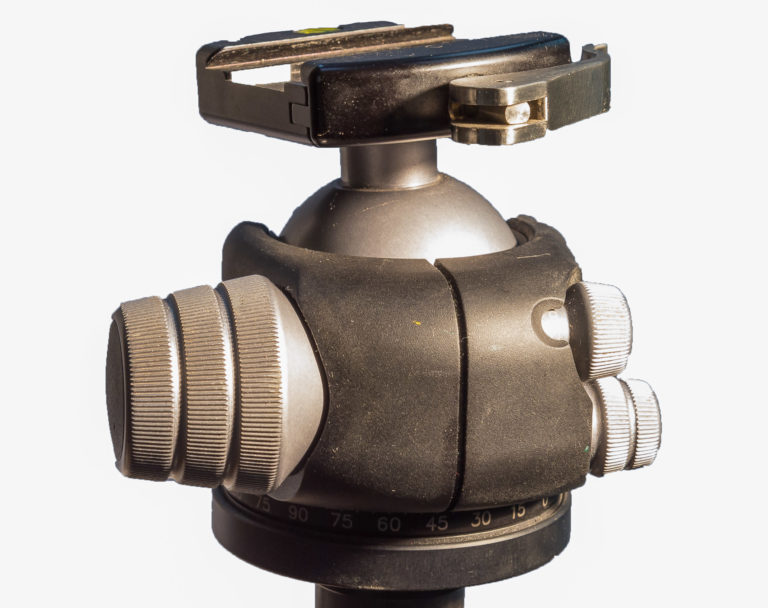
Pros – incredibly well made and stands up to anything, the clamps come in differing types, some screw and some lever operated, each has their own benefits but the lever clamp doesn’t slip and is very quick to use
Cons – expensive, a little heavier than some ball heads but only because of its incredible capacity
Wimberley WH2 head
The original Gimbal head and it has evolved over the years, when set up correctly allows a large heavy lens to be moved around with ease and with great stability. A little awkward to transport but makes you feel like you are operating a piece of military machinery when using it!
Pros – great stability when using a long heavy lens, allows smooth tracking of birds in flight or other moving objects
Cons – a bit awkward to car around unless you pack everything away when moving, does add to the weight of everything especially when taking the tripod and camera equipment into account
Gitzo Monopod
A great way of supporting a long heavy lens allowing pretty good freedom of movement when combined with the monopod head detailed below. Easy to carry attached to lens and camera body. Takes up minimal space so can be used in bird hides without being ‘the one with a tripod’. Adjustable height accommodates all sorts of shooting angles.
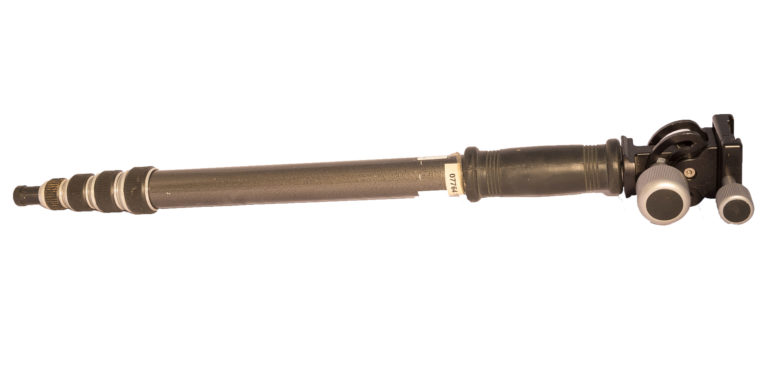
Pros – lightweight, adjustable, takes up less space than a tripod, with practice is very flexible
Cons – needs supporting or holding on to at all times, can get tiring, can take a bit of adjusting to get setup correctly
RRS MH-01 Monopod head
The addition of this head to a monopod transforms the use of the monopod into a fantastic bit of equipment. Very easy to operate just keep the knobs on the left hand side then you can easily adjust whilst holding the camera safely. Once balanced the friction can be adjusted to maintain accurate control.
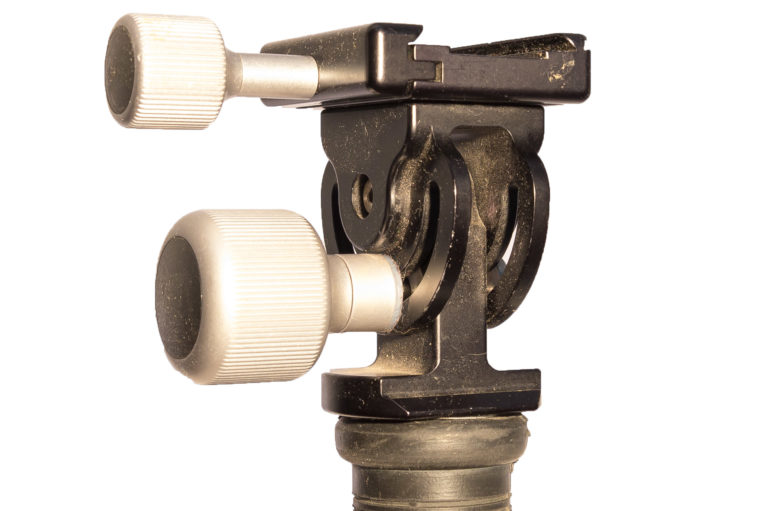
Pros – makes a monopod incredibly useful, very sturdy and well made, supports the heaviest of lenses
Cons – expensive, can trap your fingers until you get used to it, need to get balance of lens right by sliding lens foot along the mount until balanced
RRS Camera Brackets
The essential bit of equipment to attach your camera to a tripod, monopod or any other stand. These brackets allow the camera to be mounted vertically (Portrait) or horizontally (landscape) and allow access to batteries and all the ports on the side or back of you camera body. They have the added benefit they also protect your body from some bumps, scrapes and general wear.

Pros – allows the camera to be very quickly mounted and unmounted in a very secure fashion. Also helps to protect the camera body. The standard Arca-Swiss mount is compatible with most Arca-Swiss mounts and holders.
Cons – expensive, adds a little bulk to your camera (a small price to pay though)
Lorem ipsum dolor sit amet, consectetur adipiscing elit. Ut elit tellus, luctus nec ullamcorper mattis, pulvinar dapibus leo.
RRS Lens Feet
The big lens equivalent to the above camera brackets. Where a larger lens is mounted directly on a tripod or monopod – because too much weight would be transferred through the lens mount if the camera was mounted directly. These replacement feet have the Arca-Swiss type mount built in so an additional plate does not need to be bolted onto the lens. takes up less space and is much neater, safer and easier to operate.
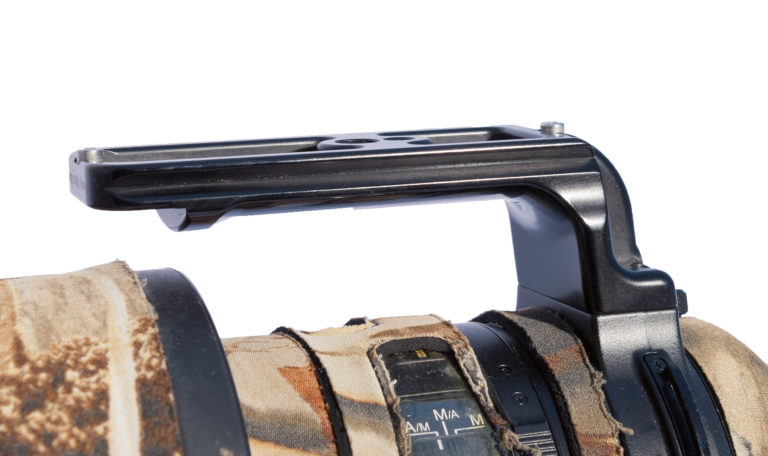
Pros – reduced weight, safe and sturds, generally a lower profile, keeps your original lens foot in pristine condition holding its resale value
Cons – expensive (again)
Carrying and Storage
Keeping your camera and other equipment safe, protected and allowing you to transport them around the globe as well as from your car into the mountains or the countryside, street or whatever destination is your choice today!
Think Tank Airport accelerator bag
Think Tank make some very accomplished bags for carrying your camera equipment, I have a number of them as at times you need to carry different amounts of equipment. The Airport Accelerator is the largest carry bag I own and will comfortably take most of the gear I would want for a week away. It has the advantage it is Airline ‘carry on’ size approved (even if you do have to remove everything when going through security at some airports). The internal dividers can be rearranged to suit you particular requirements and the bag will hold my Nikon 500mm f4 lens with the lens hood reversed.
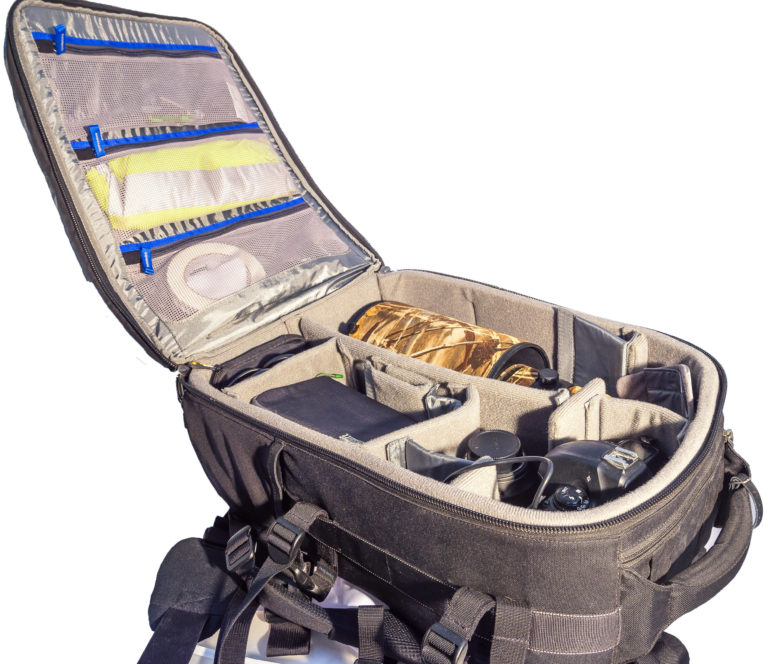
Pros – very configurable, huge capacity, very well padded, comfortable on your back, large number of pockets to lose things in
Cons – expensive, can get very heavy when full (although this is not really a fault of the bag!)
Think Tank Glass Taxi bag
A smaller car bag that is ideal for taking just a few lenses, upto the Nikon 300mm f2.8 in size, Comfortable to carry and again very versatile in its configuration
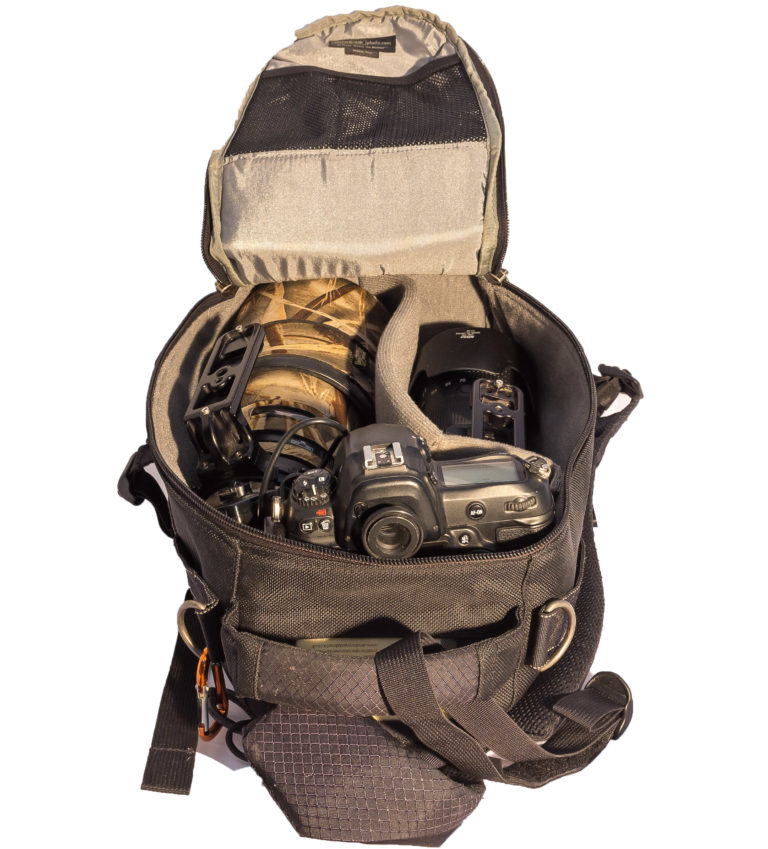
Pros – very configurable, can hold quite large lenses, comfortable to carry, quite discrete
Cons – apart from my standard gripe of expense, I can’t really think of anything
Pelican 1560 case
Firstly not the sort of case you would want to carry around too much, but it does have wheels and a handle so you can roll it. I mainly use a few of these to store equipment either at home or whilst travelling. They secure into the car with a large steel cable so someone would have to be very determined to get one. At the destination they act as a store room I can take what I need for the day out of and lock up. Incredibly secure, waterproof and robust, just look at the adverts of them being dropped and driven over!

Pros – very robust and safe to store equipment, almost bomb proof
Cons – heavy and uncompromising in the space they take up
TrekPak inserts for Peli Case
Very clever and versatile inserts made for the Peli cases, take up less room inside the case than a thick padded divider but hold the gear well. Can configure any way you like and uses ingenious pins to hold the dividers in place. Not cheap but very well made.
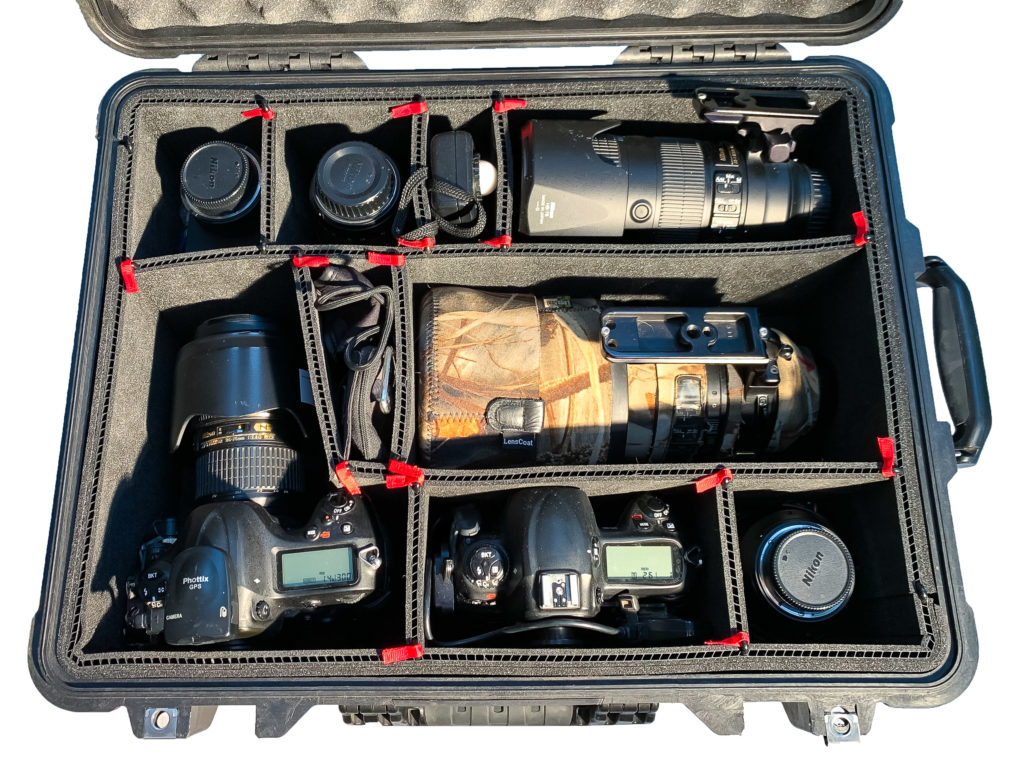
Pros – very configurable, good protection when combined with the Peli case, take up less room inside the case than some other systems
Cons – expensive
Blackrapid Breathe Hybrid strap
The best strap I have found for carrying a large camera and lens. the strap holds the camera at your side, this model can hold two camera one on each side, although I rarely use it in that configuration. More often than not I carry my camera without a strap as it gives me the most freedom, although there is always the risk of dropping it! This strap is very comfortable and when combined with the RRS clamp very easy to add and remove the camera and lens.

Pros – very comfortable way of carrying a heavy camera and lens combination, this model is superior to the previous one that failed on me a few years ago
Cons – you need to adjust the strap accurately to be comfortable
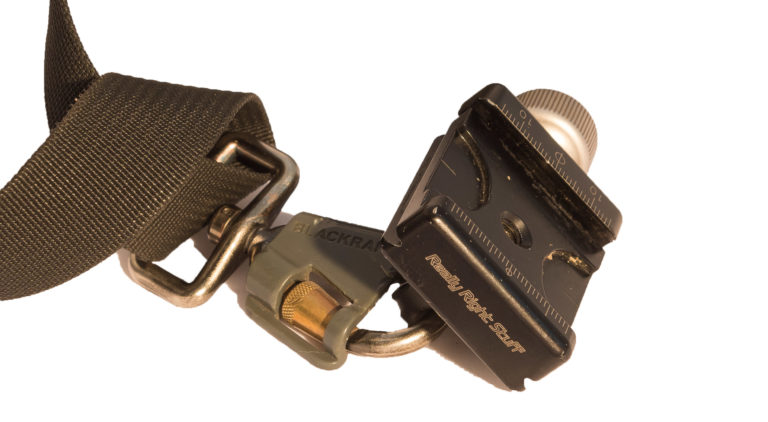
RRS B2-FABN 38mm Screw Clamp
A great little clamp from RRS that is permanently fixed onto the end of the strap, it then clamps onto the camera body or lens brackets to secure the camera to the strap. Quick and easy to use. Can be attached to any equipment with an Arca-Swiss type ount so can carry a tripod or similar using this method.
Pros – quick and easy to mount and dismount the camera, very secure in use
Cons – just make sure you have fitted the clamp securely
Weatherproofing, Cleaning and Protecting
Keeping your camera and other equipment clean, protected and out of the worst of the weather.
Lenscoat Protectors
lenscoat make a series of neoprene rubber protectors for lenses, camera bodies and other devices such as tripods and gimbal heads. they are a bespoke sit for each lens or piece of equipment and come in a variety of colours such as camouflaged, black etc. they provide a number of benefits, mainly protecting your gear from knocks and scrapes to preserve its secondhand value and make it more comfortable to hold in cold weather.
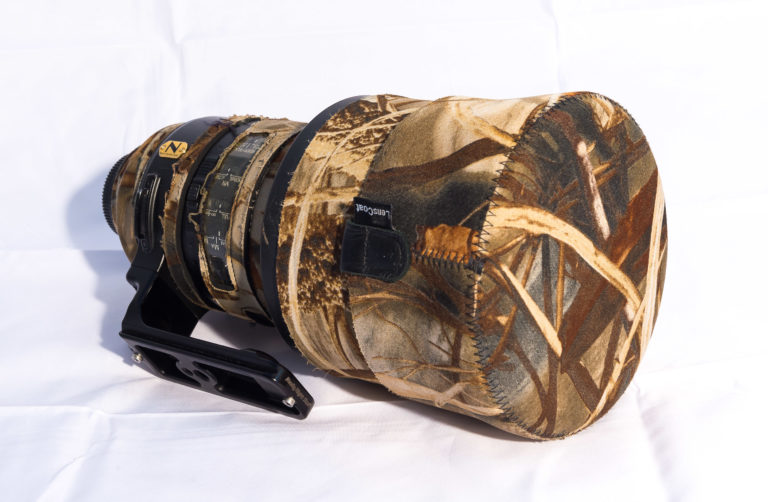
Pros – protects your equipment, not as cold to hold in cold weather, more comfortable to hold and less likely to drop
Cons – can be difficult to fit initially (but you only need to do it once!), not cheap but will probably pay for itself in used equipment value
Think Tank Hydrophobia 300-600
A great piece of kit to protect your big lenses and camera body if sat out in the rain for extended periods. Too cumbersome to keep taking on and off so tend not to use it unless in the rain for the day!

Pros – great wet weather protection, fits arms inside too so can use camera controls without getting it wet
Cons – Cumbersome and less likely to use it for short periods, awkward to set up when on a tripod
Storm Jacket
Sort of a little brother to the Think tank Hydrophobia. Supplied in a hands little pouch that fits in your pocket and will cover your camera and a medium sized lens like the 70-200mm f2.8. Quick and easy to use.
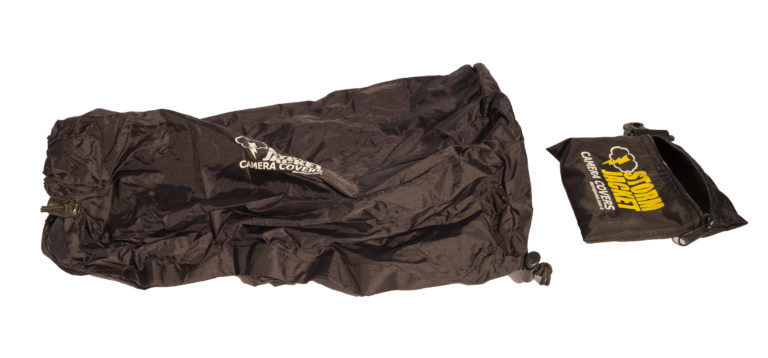
Pros – Quick and easy to use, provides pretty good protection against the rain
Cons – Not as robust as the Think Tank Hydrophobia but then again it is not intended to be
Arctic Butterfly & Loupe
A practical way to keep your sensor clean. A bit daunting to use for the first time but once you’ve done it its very easy to repeat. Clean the dust off with the charged brush and if necessary clean with the swabs with added cleaner. Cheaper and more practical than paying a specialist to do it for you, can take away and clean whilst travelling.
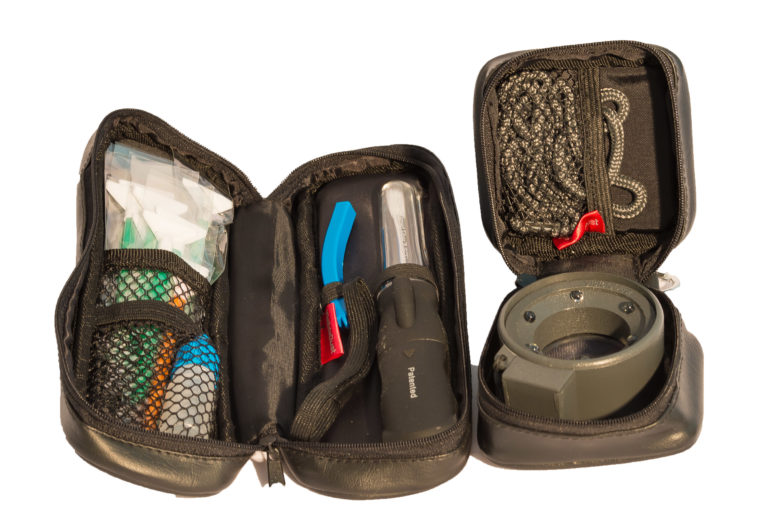
Pros – can clean your sensor when you need to, no need to ‘book it in’
Cons – have to operate with some care as damage can be done, but should be within your capabilities
Blower Brush and Microfibre Cloths
Standard stuff for keeping your equipment clean and working correctly. Use Lens Clens cleaner on optics with disposable lens tissues to clean the glass optical parts as necessary. Remove dust with the blower and clean camera bodies and lens exteriors with the microfibre cloths.
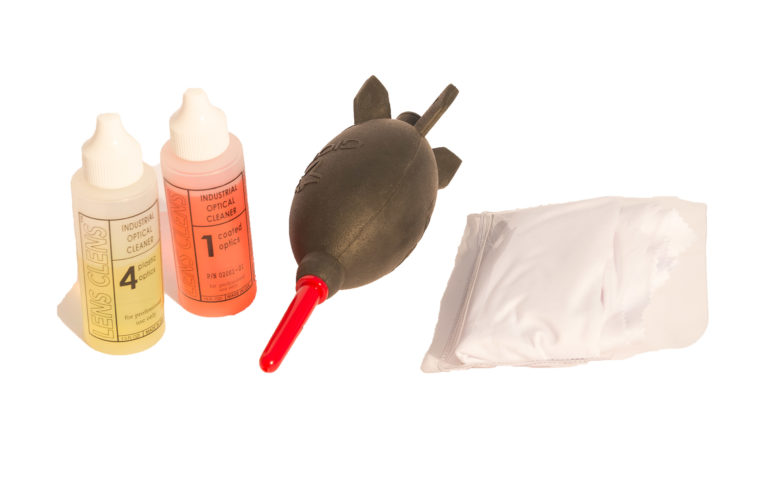
Pros – keeping your equipment clean (the lens contacts and mounts, around the buttons, hatches and other ports) helps keep your equipment functioning efficiently
Cons – just apply a bit of common sense and you’ll be ok!
Miscellaneous Accessories
A few accessories listed below that don’t necessarily fit into the above categories but are worthy of a mention.
Bespoke Toolkit
I made up a bespoke tool kit held in a small neoprene pouch that allows me to maintain things in the field or on my travels. A few small screwdrivers, allen keys and spanners for your major components like tripod legs etc. These are easy to source and there is nothing worse than something coming loose miles from anywhere to spoil your day. With the tool kit you can fix it before it becomes a problem.

Pros – stops something small spoiling your day! Check your gear before you travel and hopefully you won’t need this kit
Cons – a tiny bit of extra weight to carry, if flying make sure there is nothing illegal in your kit
CamRanger Remote
The CamRanger remote connects to the camera body via the USB port and acts as a wireless router emitting a wifi network that you can connect to using your smartphone or iPad. This allows you control most camera functions remotely, such as, aperture, shutter speed, focus point, triggering a shot etc.

Pros – Allows remote control of your camera body
Cons – Being battery powered it will only run for a finite time before losing power, you can’t move or zoom the camera so you need to set up the camera efficiently when setting up
Amazon basics battery Holder
Amazonbasics hard shell case designed for disk drives or consoles are idea for keeping your camera batteries in, protects them from damage and shorting.
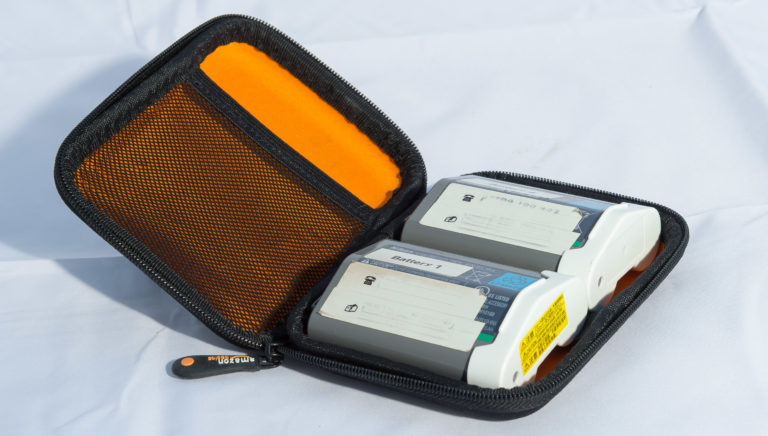
Pros – Cheap and work well, takes up little space
Cons – Nothing !
Phottix GPS GP-1
For me it very important to know where I took a photograph, this device fits on top of the camera body and is powered by the camera battery via the Nikon 10-pin plug on the front of the camera body.
It writes the geographical coordinates directly into the images exif data so any program that can interpret the data can show you a map of where the image was taken.
This image is taken from Lightroom’s Map Module and shows the location of a number of images taken on Unst in the Shetland Islands.
Nikon make the GP-1 device which looks identical to this one but costs considerably more.
The one weak spot of this ‘external’ device is the cable, I have had to repair it a couple of times (as the heat shrink sleeving on it will show) and glue the body of the device back onto the hot-shoe mount as it had caught on something and snapped off. It is also taped to the RRS camera bracket to stop it being snagged on passing branches etc.


Pros – Allows images to be readily catalogued by location,and found again with ease. Once a GPS location has been established the device works automatically without any input.
Cons – slightly increases battery drain, especially if any auto off features are enabled. I find this necessary to avoid any delay in the unit acquiring satellite signals if you are walking and taking images sporadically. Should be integrated within the camera body ideally.
Filters and Adapters
I don’t use any filters on my lenses for protection, they just degrade the image quality and in practice offer little protection against flying debris or drops.
I have a series of Lee Filters used for effects, such as graduated neutral density filters for making the bright skies more manageable, full neutral density filters for slowing down exposure times to get effects on moving water etc. and polarising filters for removing reflections on water. realistically I don’t use these very often as they take time to setup and the use of a tripod, etc.

Pros – can get effects that you can only slightly replicate in post production in some cases
Cons – take time to set up so can only really use in controlled situations, have to keep them very clean and not drop them!
